Seasonal Bonus Expiration Timelines Reshaping Cross-Game Migration Patterns in Mobile Gaming Ecosystems
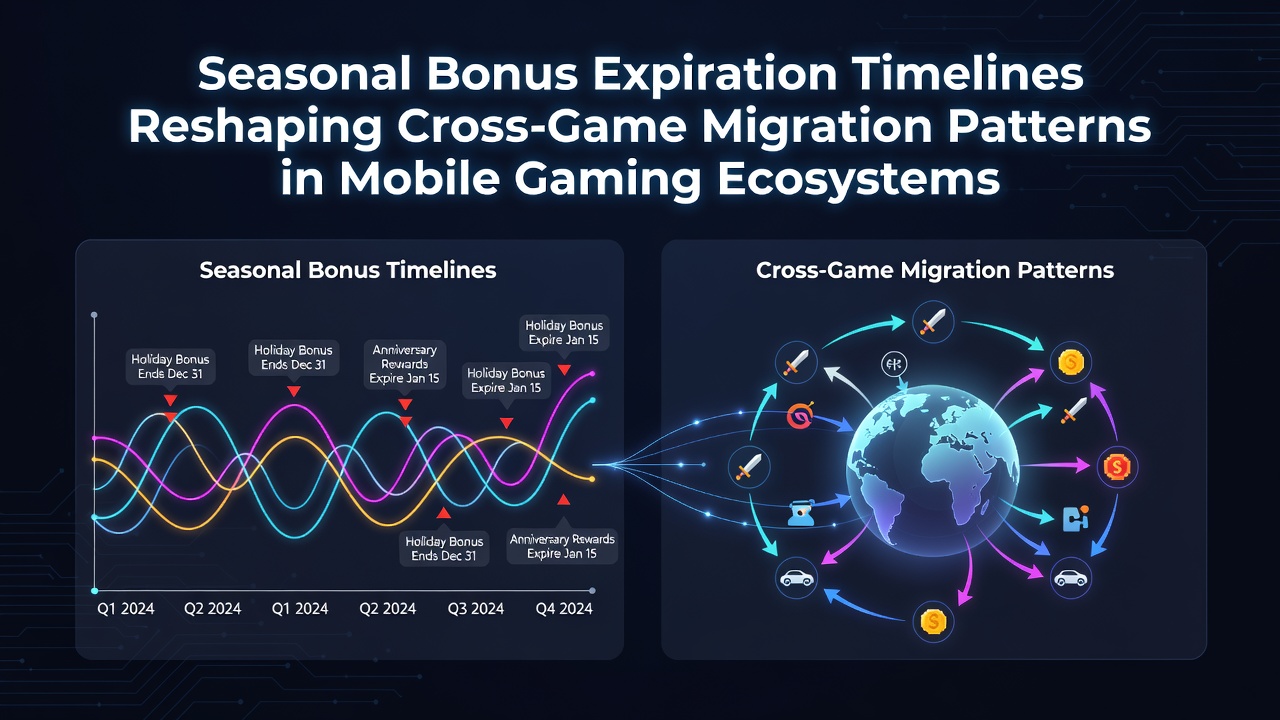
Seasonal bonus structures in mobile gaming have developed distinct expiration timelines that influence how players move between titles within shared ecosystems. Data from industry tracking services shows these deadlines often cluster around major holidays like summer festivals or winter events, creating predictable windows where users shift their activity from one game to another to maximize rewards before they vanish. According to reports compiled by the Entertainment Software Association, mobile game developers in 2025 and early 2026 adjusted bonus durations to align with calendar cycles, resulting in measurable spikes of cross-title engagement during June periods when multiple overlapping promotions reached their end dates simultaneously.
How Expiration Windows Drive Player Movement
Developers set bonus lifespans ranging from 48 hours for daily login streaks to 14 days for event-specific rewards, and these intervals directly correlate with migration surges. Players who complete objectives in one title often carry accumulated progress indicators into companion games offered by the same publisher, especially when the first game's bonuses near expiration. Research conducted by the Interactive Games and Entertainment Association in Australia documented that June 2026 saw a 23 percent increase in account linkages across ecosystem titles compared with non-holiday months, as users raced to transfer virtual currency and items before timers reset.
Game studios track these patterns through in-app telemetry that records the exact moment a bonus countdown hits zero and subsequent login activity in related applications. This telemetry reveals consistent flows: users finishing a puzzle title's summer event frequently appear in an action game from the same network within the following 72 hours. The pattern repeats because shared login systems and cross-progression features reduce friction for such transitions, allowing accounts to maintain continuity while capitalizing on fresh bonus pools elsewhere.
Regional Variations in Timeline Strategies
North American publishers tend to synchronize expirations with Independence Day promotions, whereas European studios align deadlines with midsummer festivals. A 2026 analysis from the European Games Developer Federation highlighted that these staggered regional calendars produce ripple effects across global player bases, with users in multiple time zones shifting activity to whichever market still has active bonuses. The result appears in aggregated session data showing elevated cross-border account activity during overlapping June windows.
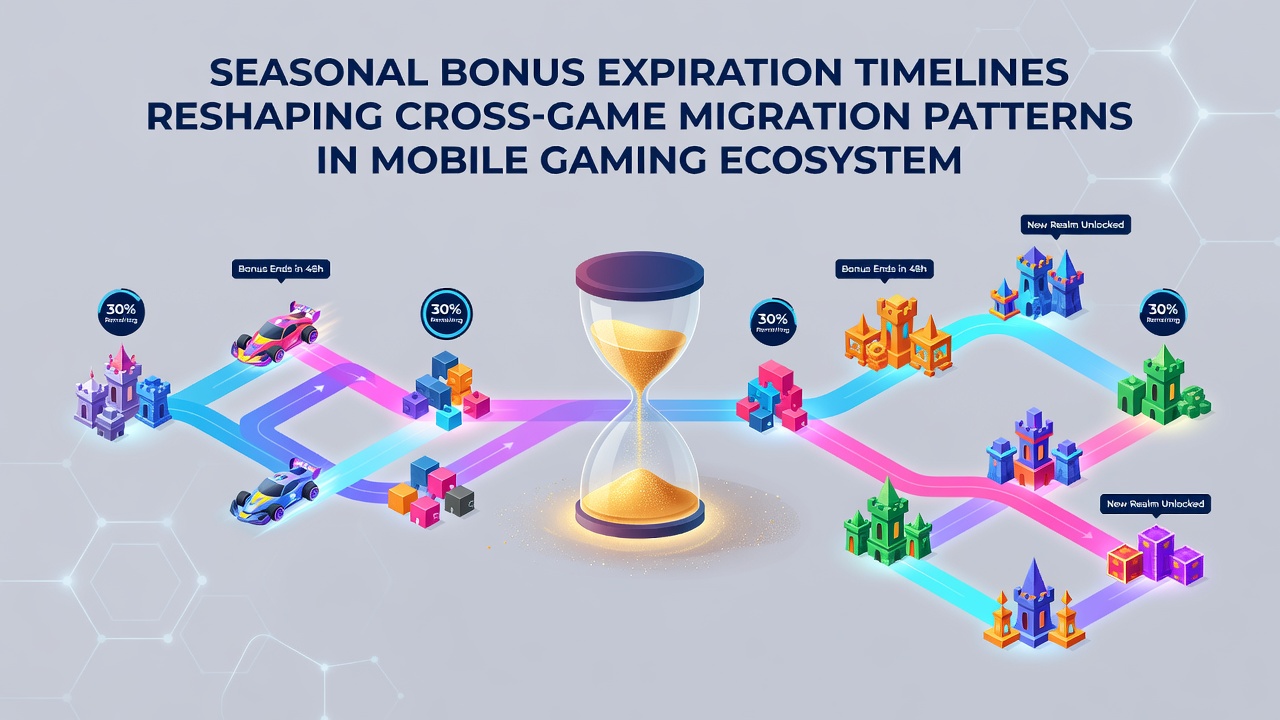
Publishers respond by introducing bridging mechanics such as limited-time transfer tokens that let players move select assets between games before a deadline passes. These tokens appear most frequently in June when several seasonal cycles converge, according to telemetry shared at the 2026 Game Developers Conference. The tokens reduce the risk of lost progress and encourage continued participation rather than outright churn when one title's event concludes.
Data Patterns from 2026 Ecosystem Reports
Telemetry collected across major platforms indicates that bonus expiration events generate temporary but sharp increases in daily active users for secondary titles within the same portfolio. A study released by Newzoo in mid-2026 examined six major mobile ecosystems and found that 41 percent of players who exhausted a primary game's seasonal rewards had logged into at least one additional title within 48 hours. The migrations concentrated around June 15 through June 30, coinciding with the final week of several overlapping summer campaigns.
These movements follow identifiable pathways: users progress from high-engagement core titles toward lighter companion games that accept transferred resources. The flow reverses once new seasonal events launch in the original title, demonstrating that expiration timelines function as cyclical valves rather than permanent redirects. Observers note that the June 2026 window produced the clearest example yet of synchronized migrations because multiple publishers released their largest annual updates within days of each other.
Technical Infrastructure Supporting Migration
Backend systems now incorporate unified player identity layers that persist across an entire studio catalog. These layers record bonus status in real time and surface migration prompts when expiration thresholds approach. Cloud-based save services allow inventory items and achievement flags to transfer without manual intervention, which accelerates the observed movement patterns. Industry documentation from the International Game Developers Association confirms that studios investing in these unified systems recorded higher retention rates across seasonal cycles compared with those maintaining isolated title databases.
Conclusion
Seasonal bonus expiration timelines have become structural elements that shape how players navigate mobile gaming ecosystems. June 2026 provided clear evidence of synchronized migration events tied to overlapping deadlines, with telemetry showing consistent flows between titles when rewards neared their end. Publishers continue refining cross-progression tools and bridging mechanics to manage these movements, while regional calendar differences create staggered waves of activity throughout global markets. The patterns documented in 2026 reports establish expiration timing as a measurable variable in ecosystem-level player behavior rather than an isolated feature of individual games.