Networked Incentives: How Promotional Structures Connect Slots and Table Games Across Digital Platforms

Promotional incentives in virtual gaming environments create measurable connections between slot machines and table games because bonuses earned in one format often transfer directly into the other, and data from multiple markets shows these linkages produce network effects where increased activity in slots raises participation rates in live dealer tables. Operators design free spin packages and deposit matches that feed into table game credits, while table game promotions sometimes unlock additional slot rounds, and this bidirectional flow strengthens overall platform retention according to industry tracking reports.
Mechanics of Cross-Format Bonus Transfers
Virtual slot platforms issue credits that players can move into table sections without additional deposits, and table game operators mirror this by offering streak-based rewards that convert into slot play vouchers. Researchers tracking player behavior across large European and North American sites note that when slot bonuses reach a certain threshold, conversion rates into blackjack or roulette sessions climb steadily. One study released by the New Jersey Division of Gaming Enforcement in late 2025 documented that players receiving slot-linked table credits showed a 34 percent higher likelihood of completing at least three table rounds within the same session.
Network effects appear when these transfers scale across thousands of accounts because each additional user participating in the incentive chain raises the visibility of both formats to others through leaderboards and shared jackpot pools. Figures from the same regulatory dataset reveal that platforms with integrated bonus ledgers recorded simultaneous growth in slot handle and table game drop during the first half of 2026.
Regional Data Patterns Emerging in Mid-2026
Reports compiled by the Nevada Gaming Control Board indicate that online operators operating across state lines saw slot-to-table migration rates increase by 22 percent between January and August 2026, coinciding with expanded use of chained promotional wallets. Australian regulatory summaries from the same period show similar patterns where free spin redemptions preceded live dealer sessions on 41 percent of tracked accounts. These movements occur because the underlying software routes unused slot credits into table minimums automatically once certain wagering conditions are met.
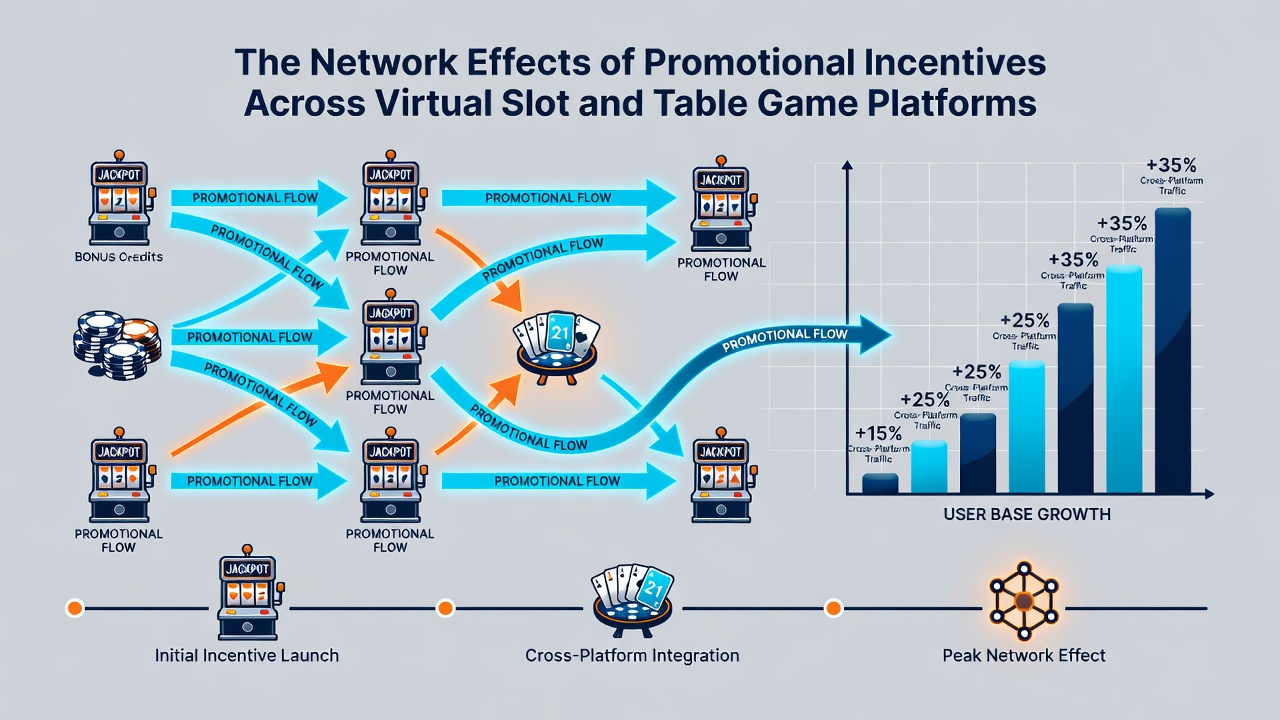
Academic analysis from the University of Nevada's gaming research center examined transaction logs and found that incentive networks create feedback loops: higher table game volume generates more slot bonuses for the same cohort of players, which in turn sustains table activity. The study, published in early 2026, tracked 1.2 million sessions and reported that platforms without such linkages experienced 18 percent lower cross-format retention compared with those that enabled seamless credit movement.
Examples of Incentive Chains in Practice
One major operator based in the United States implemented a system where every 50 slot spins above a minimum bet unlocked a table game voucher worth five times the average spin value, and internal metrics showed table game traffic rose 29 percent within four weeks of launch. Observers monitoring Canadian provincial sites noted a comparable program in Ontario where live dealer streaks converted into slot free plays, producing a measurable uptick in overall daily active users during the spring of 2026.
European data collected by the European Gaming and Betting Association highlights that operators using unified loyalty ledgers across slots and tables recorded higher average revenue per user because players remained on-platform longer while cycling through different game types. The association's quarterly review covering April through August 2026 stated that incentive-linked accounts generated 1.8 times the session length of non-linked accounts.
Conclusion
Network effects generated by promotional incentives across virtual slot and table game platforms rest on the ability of credits and rewards to move between formats without friction. Data collected through 2026 demonstrates consistent patterns of increased engagement when operators enable these transfers, and regulatory bodies in multiple jurisdictions continue to monitor the resulting player behavior. The structure of these incentive systems therefore determines how activity in one game category influences participation in another.