Mapping Player Journeys Across Hybrid Gaming Environments Where Mobile Wins Shape Table Game Strategies
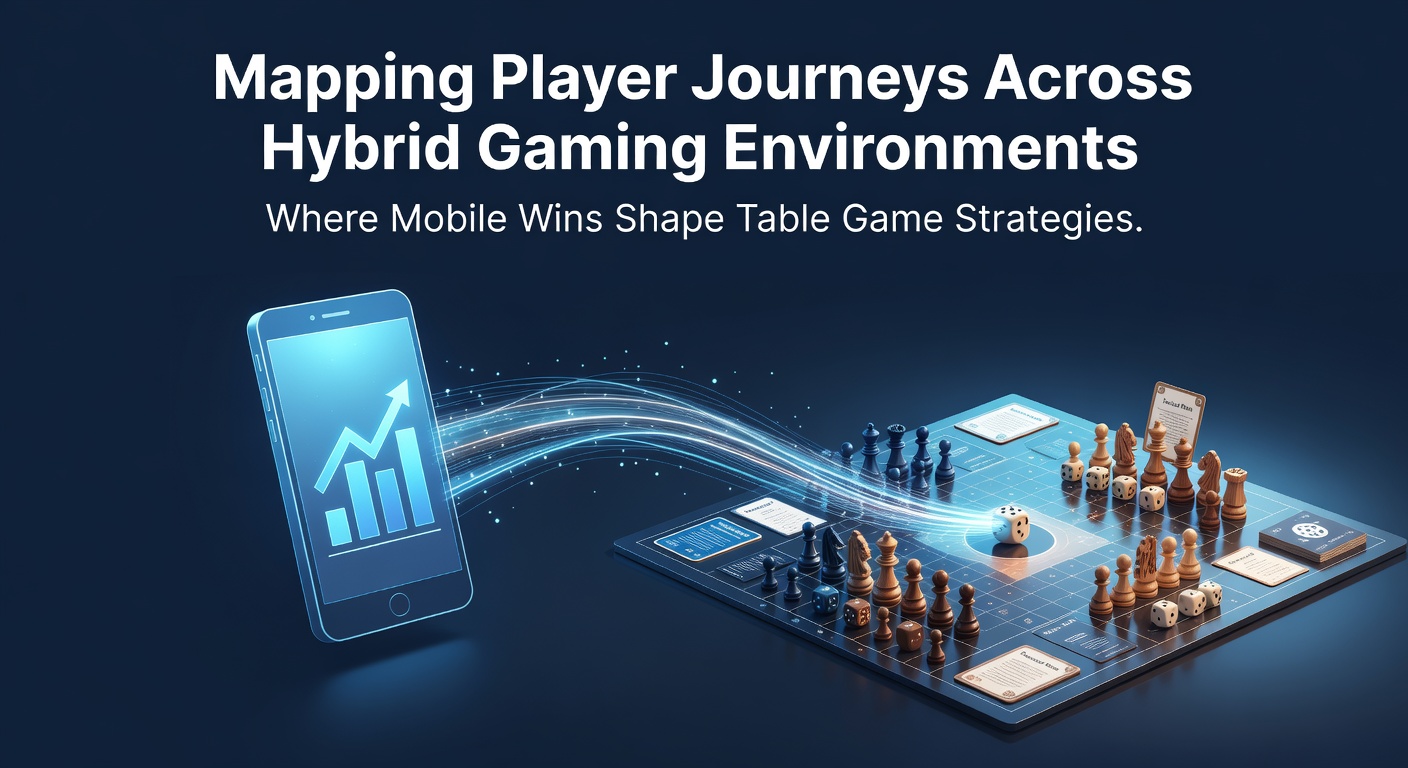
Hybrid gaming platforms now track complete player paths from initial mobile sessions through to live dealer tables, and data from these systems reveals how early wins on handheld devices directly influence later table selections and bet sizing. Operators integrate session logs across channels so that a sequence of small mobile victories can trigger tailored prompts for roulette or blackjack entry points later in the same day.
Tracking Complete Journeys in Connected Environments
Researchers at several industry analytics firms compile multi-device datasets that follow individual accounts from mobile logins to desktop or venue-based table play, and these records show consistent patterns where mobile net-positive outcomes precede higher average stakes at live tables within 24 hours. Platform algorithms assign journey scores based on win frequency, session duration, and device transitions, which then feed recommendation engines that surface table game options matching the player's demonstrated risk tolerance.
Studies conducted across North American and European markets indicate that players who achieve at least three consecutive mobile wins exhibit a 27 percent higher likelihood of joining a live dealer blackjack table compared with those who experience net losses on the same device. These metrics come from aggregated reports published by the American Gaming Association, which examined transaction streams from major operators during the first quarter of 2026.
How Mobile Wins Translate Into Table Strategies
When a player records a mobile jackpot or series of incremental gains, the same account profile often receives adjusted table minimum suggestions that align with the recent payout size. Operators apply predictive models that correlate mobile volatility exposure with preferred table game features such as side bets or progressive side pools, and these models update in real time as new mobile results arrive.

One longitudinal review of Canadian provincial gaming data found that mobile-derived bankroll increases correlate with longer average dwell times at electronic roulette terminals once players transition to physical or virtual tables. The review, released in coordination with the Canadian Gaming Association, tracked over 180,000 accounts and documented that prior mobile success extended table sessions by an average of 14 minutes per visit.
Platform Tools and Data Integration in 2026
By May 2026 several major suppliers had rolled out unified player graphs that merge mobile telemetry with table game hand histories, allowing operators to map decision trees across environments without requiring separate logins. These graphs use timestamped event markers to identify moments when a mobile win cluster precedes a shift toward lower-volatility table selections or the opposite pattern of increased aggression after early losses.
European operators participating in the European Gaming and Betting Association data-sharing initiative reported that cross-channel journey mapping improved retention metrics by surfacing table game variants that matched the volatility profile established during mobile play. The initiative aggregates anonymized statistics from multiple jurisdictions and releases quarterly summaries that highlight these conversion pathways.
Regional Variations in Journey Patterns
Markets in Australia demonstrate shorter average intervals between mobile win events and table game entry compared with North American counterparts, according to figures compiled by the Australasian Gaming Council. Players in that region often move from mobile progressive slots directly into live baccarat streams within the same hour when win thresholds are met, while North American accounts show more gradual transitions spread across multiple days.
Operators adjust interface prompts accordingly, and these adjustments appear in A/B testing logs that measure click-through rates from mobile win celebration screens to live lobby entrances. The testing protocols rely on anonymized cohort analysis rather than individual profiling to remain compliant with regional privacy frameworks.
Conclusion
Comprehensive journey mapping across hybrid environments supplies operators with concrete indicators of how mobile results steer subsequent table selections and stake levels. Data collected through 2026 continues to refine these models as more platforms adopt unified tracking layers that connect device-specific outcomes with live game behavior.