Immersive Virtual Layers Revolutionizing Live Dealer Dynamics in Digital Gambling Ecosystems
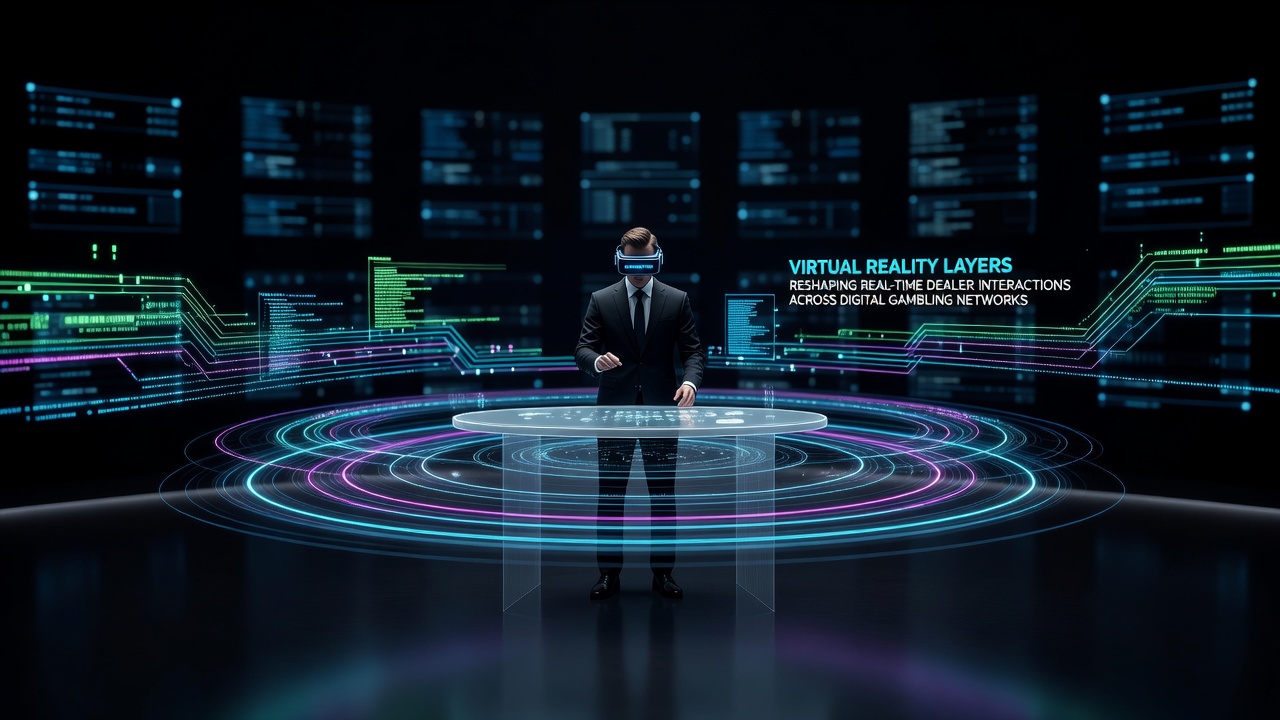
Virtual reality layers now sit over live dealer feeds in digital gambling networks, and these additions change how players interact with dealers in real time. Systems place digital elements such as environmental effects, gesture tracking, and shared virtual objects directly onto video streams from physical studios, which creates new interaction points without replacing the human dealer.
Core Technology Behind the Layers
Developers combine augmented overlays with existing live video pipelines, and this integration allows real-time placement of 3D objects that respond to dealer movements and player inputs simultaneously. Data from multiple sensors feeds into rendering engines that update at 60 frames per second or higher, which keeps latency under 50 milliseconds in most deployed systems. Operators report that these layers support features like virtual card stacks that players can manipulate through hand tracking, while the dealer continues physical actions on the table.
Interaction Shifts Observed in 2026
By July 2026 several platforms had rolled out layered environments that let players see customized virtual tables surrounding the dealer feed, and these setups allow group gestures such as high-fives or shared reactions to appear in the shared space. Research from academic groups tracking user sessions shows average session lengths increased when layers included synchronized sound and haptic feedback, because players stayed engaged longer with the dealer through these added channels. The layers also enable private side views where individual players receive tailored statistics or betting prompts without interrupting the main dealer dialogue.
Network-Level Changes Across Platforms
Digital gambling networks now route dealer video through cloud-based rendering nodes that apply VR layers before delivery to end users, and this architecture supports thousands of concurrent sessions with individualized overlays. According to reports from the Nevada Gaming Control Board on emerging technology pilots, these routing methods reduce bandwidth spikes during peak hours while maintaining synchronization between physical dealer actions and virtual additions. Multiple jurisdictions outside the UK have begun testing similar node systems, which shows the approach scales across different regulatory environments.

Dealers receive updated training modules that cover how to work with layered interfaces, including cues for when players trigger virtual elements or request private layer views. These modules emphasize timing adjustments so that physical card reveals align with any digital animations appearing in player headsets. Observers at industry events note that dealer feedback loops now include data on layer usage, which helps studios refine interaction scripts for better flow.
Examples from Deployed Systems
One platform introduced layered roulette wheels that display probability heat maps visible only to players who opt in, while the dealer spins the physical wheel as usual. Players using VR headsets can reach toward the virtual wheel to place bets with tracked hand movements, and the system translates those gestures into the live betting interface without delay. Another network added environmental layers that change table surroundings based on collective player activity, such as crowd noise levels rising when multiple participants win in sequence.
Studies from research institutions including those affiliated with the University of Nevada have examined eye-tracking data from these layered sessions, and findings indicate dealers maintain stronger eye contact with camera positions when virtual prompts guide their pacing. The data also reveals reduced miscommunication rates because players can confirm actions through both verbal and gesture-based virtual signals at the same time.
Regulatory adn Standards Developments
Agencies in multiple regions have updated technical standards to cover VR layer integrity, requiring audit trails for every overlay element that affects game outcomes. The Australian Communications and Media Authority published guidelines in early 2026 that address synchronization requirements between physical dealer actions and virtual additions, which operators must demonstrate during compliance reviews. These rules focus on preventing layers from altering random outcomes or creating unfair information advantages.
Future Integration Paths
Engineers continue testing deeper integration between VR layers and dealer biometric monitoring, which could allow environments to adjust based on table energy levels detected through voice or movement patterns. Early trials show promise for creating more responsive shared spaces, yet full rollout depends on further hardware improvements in consumer headsets and studio capture equipment. Networks that already run these systems report iterative updates every few months, driven by player usage metrics collected across regions.
Conclusion
Virtual reality layers continue to reshape real-time dealer interactions by adding synchronized digital channels that operate alongside traditional video feeds. Data from regulatory bodies and academic sources documents measurable changes in session behavior and technical requirements, while ongoing pilots in July 2026 point toward further refinements in how networks deliver these experiences. The combination of physical dealer presence with layered virtual tools forms the current operational model across expanding digital gambling platforms.