Evolving Patterns of Reward Mobility in Global Digital Wagering Systems
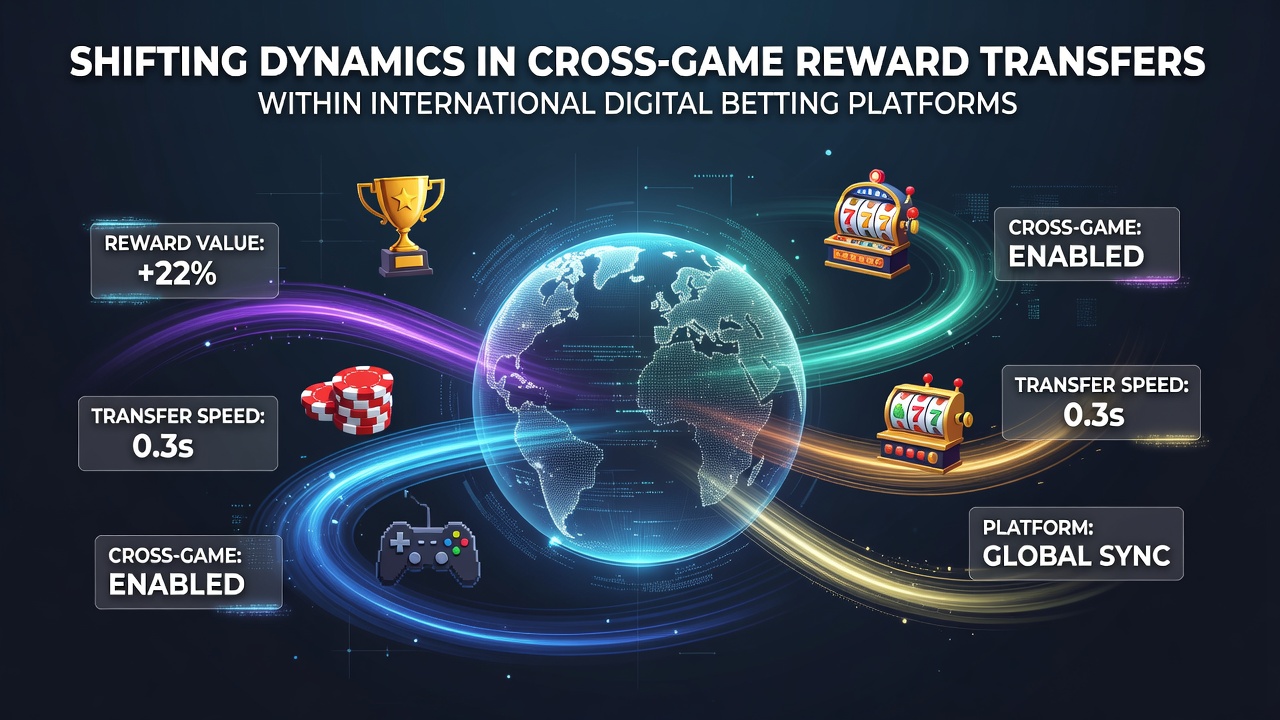
Digital betting platforms now allow players to move rewards earned in one game type directly into sessions on entirely different formats, and this shift has accelerated through 2026 as operators expand multi-jurisdictional networks. Systems that once kept slot credits separate from table game balances now route those same credits across game categories and sometimes across licensed markets in a single transaction flow.
Mechanics Behind Cross-Game Transfers
Operators deploy unified wallet architectures that tag rewards with metadata such as origin game category, expiry window, and eligible game types, which lets the platform enforce rules automatically when a player selects a new title. A free spin credit earned on a reel game can convert into table stakes for live dealer blackjack once the player opts in, while progressive jackpot contributions from the original spin remain tracked under the same player profile. Data from the Australian Communications and Media Authority shows that platforms operating across multiple Asia-Pacific licenses processed over 18 million such conversions in the first half of 2026 alone.
Backend ledgers record each transfer in real time, and compliance modules check against local stake limits before releasing funds into the new game interface. This automation reduces manual intervention and keeps records consistent for audits that regulators conduct at irregular intervals.
Regulatory Differences Across Regions
Rules governing reward portability vary sharply by jurisdiction, creating distinct operational requirements for platforms that serve users in more than one market. Canadian provincial regulators permit transfers between slot and live casino products within the same licensed entity, whereas several European authorities require separate ledgers for each product vertical unless the operator obtains explicit multi-product approval. A 2025 industry report from the European Gaming and Betting Association documented that 62 percent of surveyed multi-license operators had adjusted their reward engines to accommodate these regional splits by mid-2026.
Platforms based in Malta and Gibraltar often maintain dual compliance layers, one for each market cluster, so that a reward generated under one set of rules cannot migrate into a jurisdiction where equivalent mechanics remain restricted. Players see these constraints reflected in on-screen eligibility banners rather than through separate account balances.
Technology Driving the Shift
Application programming interfaces now connect game servers across different studios, allowing reward tokens to move without leaving the operator's core system. Smart contracts on permissioned ledgers record each movement, which gives both regulators and operators an immutable trail that can be queried months later if disputes arise. Several major suppliers rolled out updated transfer modules in July 2026 that added conditional logic for time-sensitive promotions, automatically blocking transfers once a reward reaches its expiry threshold.
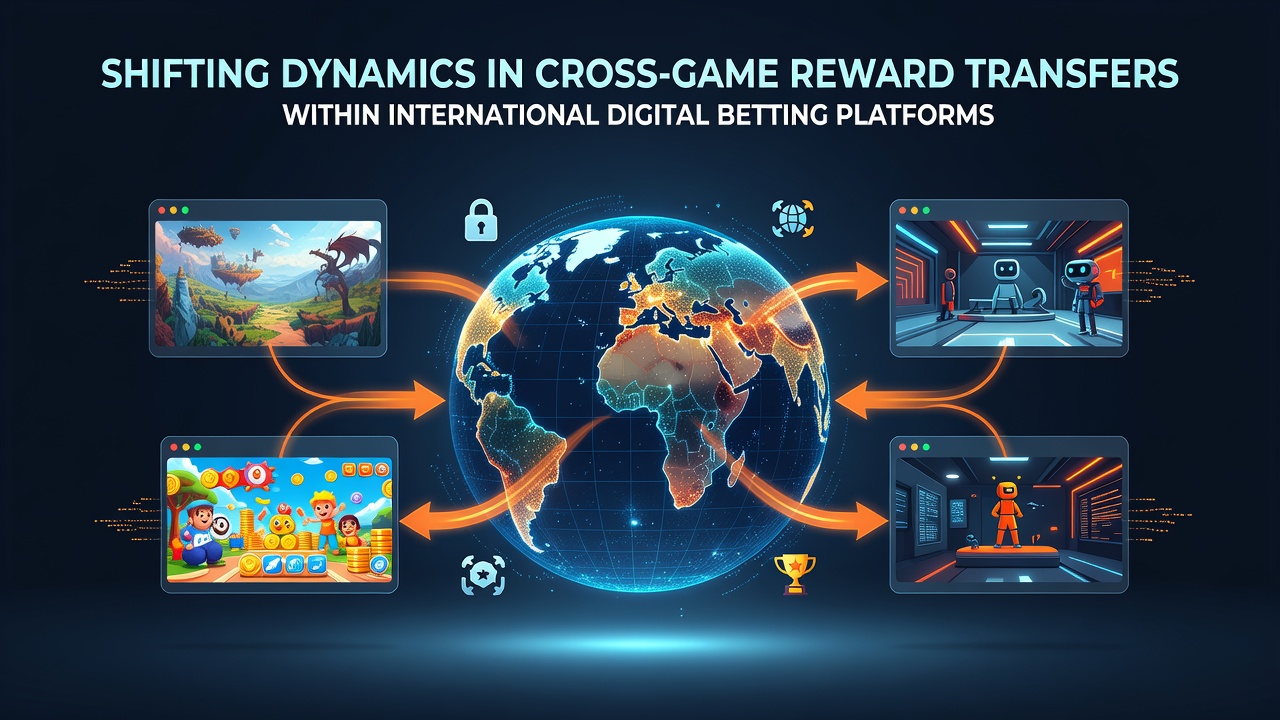
Cloud-based hosting lets smaller operators adopt the same infrastructure previously available only to large groups, which has widened participation in cross-border reward schemes. Integration times have dropped from several weeks to a matter of days when a new game studio joins an existing network.
Market Data and Usage Trends
Figures released by the Canadian Gaming Association indicate that cross-game redemptions accounted for 27 percent of total bonus activity on multi-product platforms during the second quarter of 2026, up from 19 percent the previous year. Similar patterns appear in reports covering licensed operators serving Australian users, where mobile sessions show higher transfer rates than desktop sessions because players often switch device mid-session. Observers note that peak transfer volume occurs between 8 p.m. and 11 p.m. local time across most time zones, coinciding with live dealer table openings.
Platforms that publish aggregated statistics reveal that slot-derived rewards represent the largest single source category feeding table game play, yet live dealer wins now contribute a growing share back into slot balances. This bidirectional flow has become a standard feature rather than an experimental add-on.
Operational Adjustments by Operators
Operators have introduced tiered loyalty structures that assign different transfer multipliers based on player activity level, which encourages continued engagement across product lines. A player who accumulates rewards in one vertical can unlock accelerated conversion rates in another once monthly activity thresholds are met. Technical teams monitor latency during high-volume periods to ensure transfers complete within the same second the player initiates them.
Customer support logs show that queries about transfer eligibility have declined since clearer in-game messaging was introduced, freeing staff to handle more complex account issues instead. Training programs for compliance officers now include modules that simulate cross-jurisdictional transfers so staff can anticipate edge cases before they reach the audit stage.
Conclusion
Cross-game reward transfers continue to expand across international digital betting platforms as unified wallets and regulatory frameworks adapt to each other. Data from multiple regions shows steady growth in transfer volume, while technical upgrades completed in July 2026 have reduced friction for both players and operators. The pattern suggests further integration lies ahead as additional markets finalize rules for multi-product reward systems.